Ibarra Ecuador Real Estate: Neighborhoods, Prices, and How to Buy
Why Ibarra? Climate, Location & Lifestyle in the “White City”
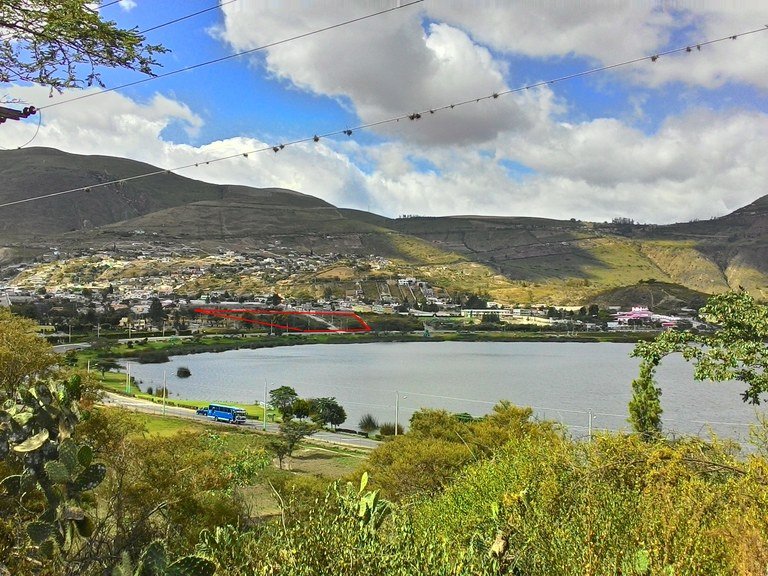
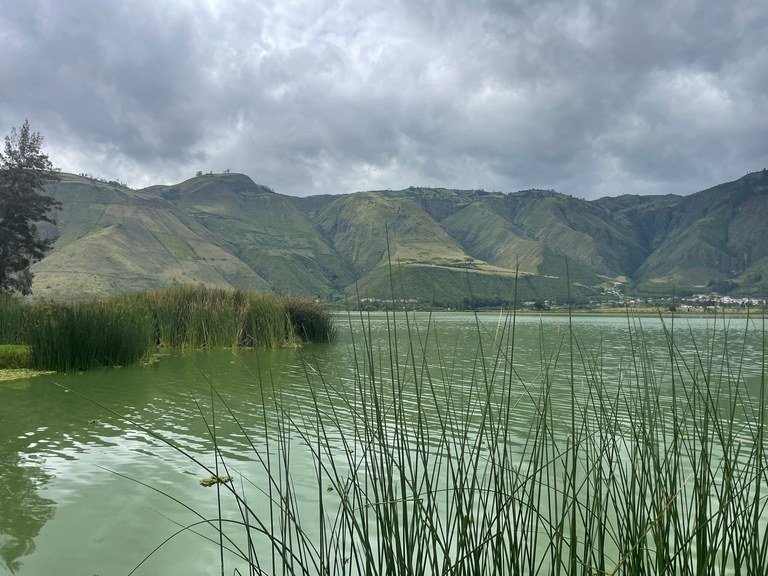
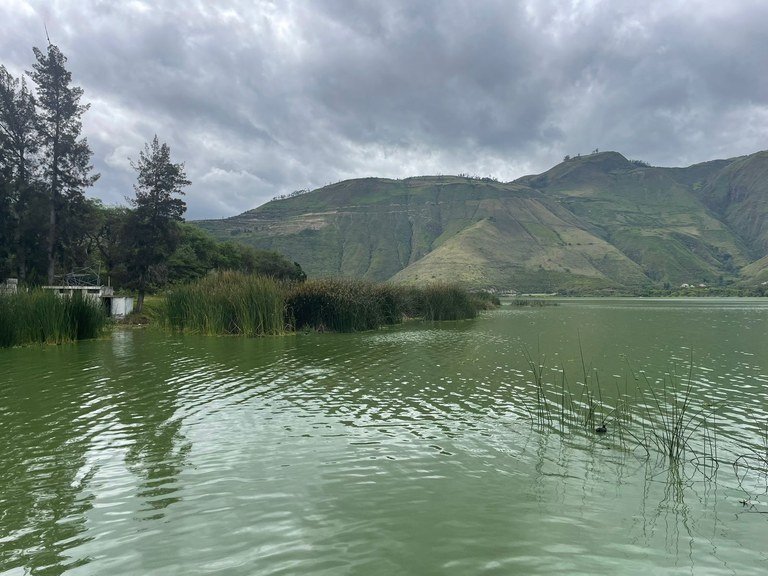
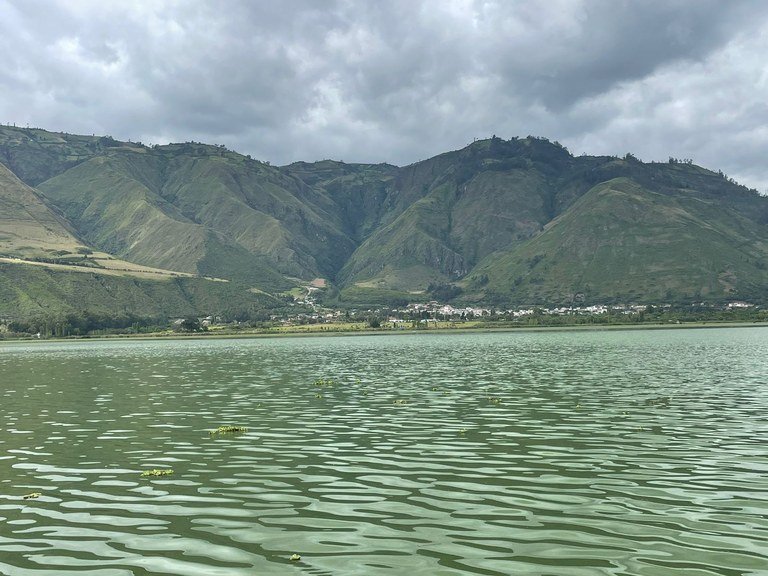
Ibarra (San Miguel de Ibarra) sits in Ecuador’s inter-Andean valley at roughly 2,200 m (7,200 ft), with a dry, springlike climate that hovers around 16–18 °C. Locals call it “La Ciudad Blanca“ for the white façades that define its historic core—rebuilt after the 1868 earthquake—while weekends often mean a stroll by Yahuarcocha Lake or views toward Imbabura Volcano. I’ve found the city welcoming, safe by small-city standards, and notably more Ecuadorian than expat-heavy hubs like Cuenca or nearby Cotacachi. That smaller international footprint is a feature, not a bug, if you’re seeking authenticity.
From a livability standpoint, Ibarra balances affordability with amenities: modern supermarkets, malls, specialty markets, a university vibe, and plenty of outdoor options (hiking, mountain biking, kayaking). Quito sits roughly 115–126 km south, making airport runs or big-city errands feasible by road. When I compared Ibarra to Cuenca and Cotacachi, I liked Ibarra’s sunnier feel, lighter traffic, and quick access to rural parishes like La Esperanza, San Antonio, Ambuquí, and Angochagua—all great for day trips, artisan stops, or countryside homes.
If you’re eyeing Ibarra for retirement or remote work, the city’s pace is slow enough to breathe yet connected enough to get things done. English isn’t widely spoken (more on that later), so your Spanish will improve quickly—mine certainly did. The payoff is deeper community ties, better deals, and a genuinely local lifestyle.
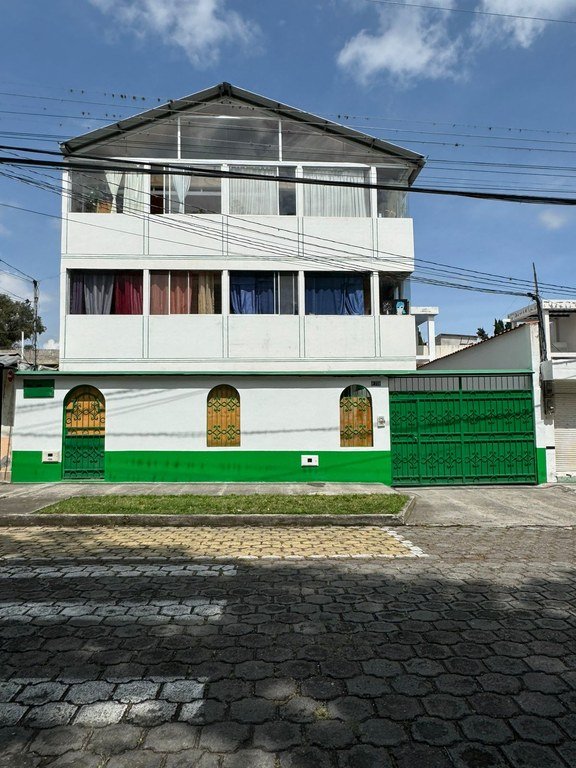
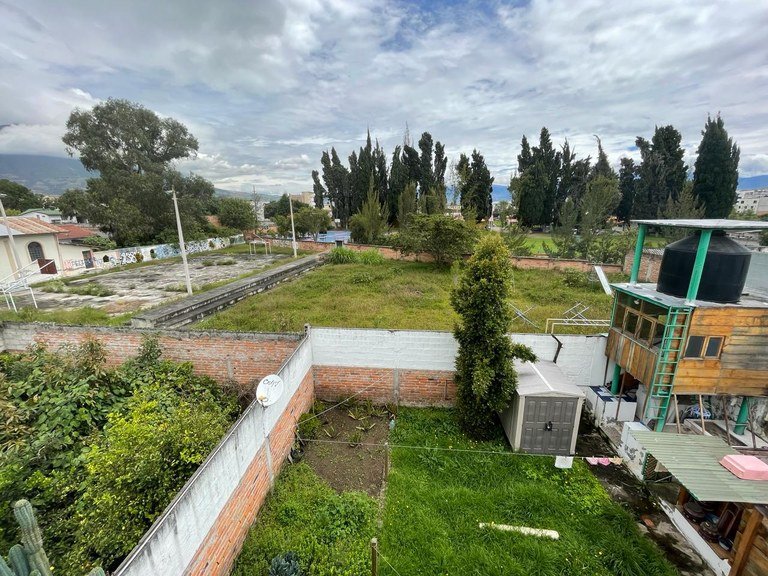
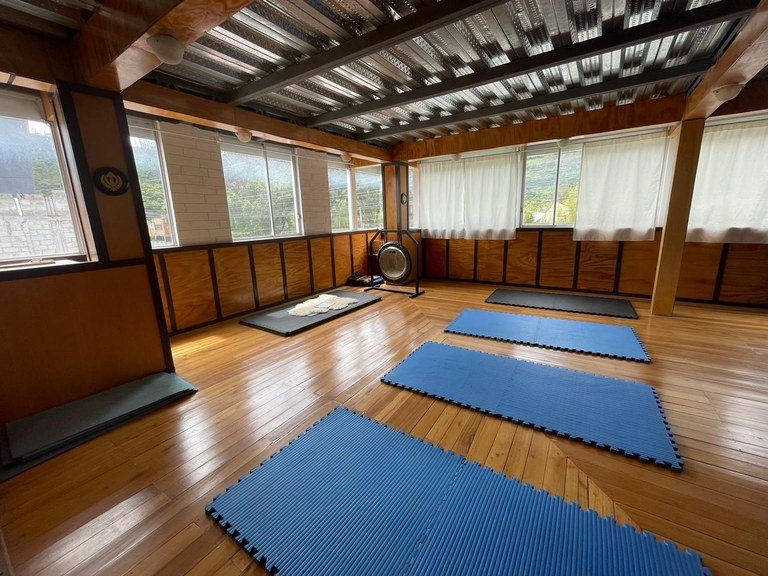
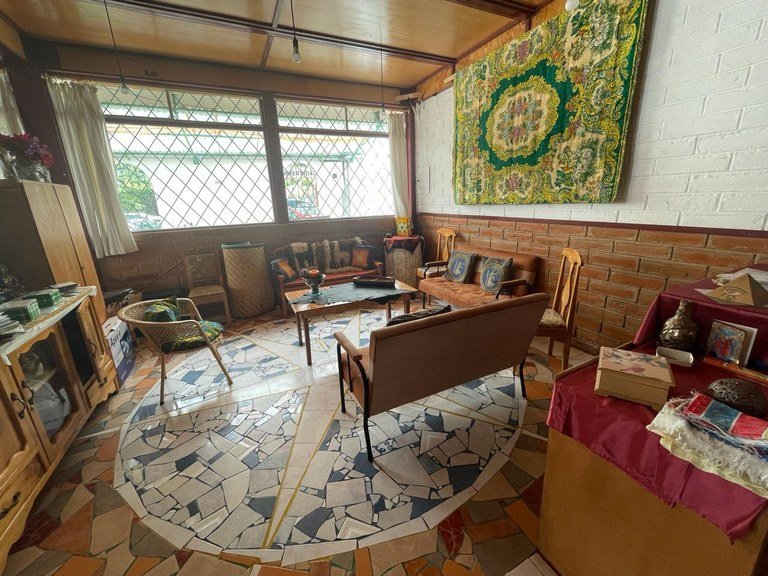
What You’ll Pay: Typical Home, Condo, and Land Prices in Ibarra
Let’s talk numbers the way buyers actually shop—by budget bands and property type. From my notes and recent browsing on local portals, here’s what repeatedly shows up:
Price Bands (overview)
- Under $100k: Entry-level houses and fixer-uppers appear in the $70k–$100k range. They’re usually modest footprints or older builds that may need upgrades (kitchen, windows, solar water). If you’re handy, this band can stretch your dollar.
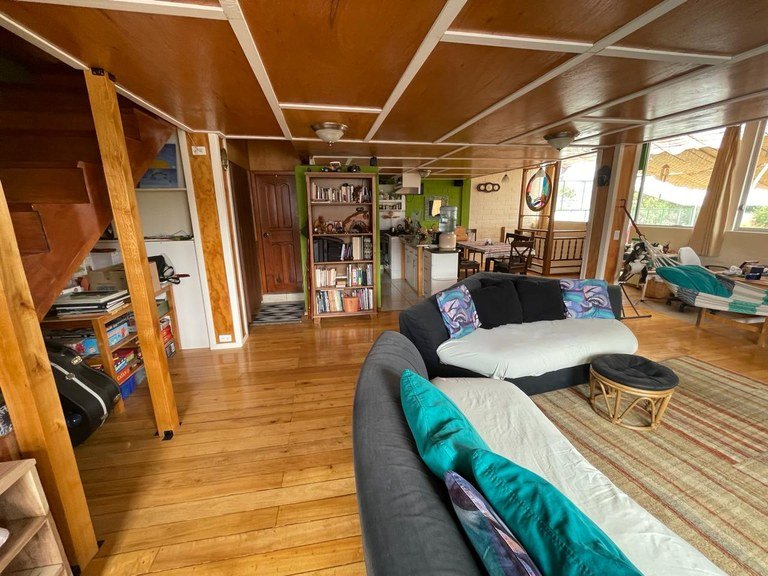
- $100k–$150k: This is the sweet spot for many family homes (2–4 bedrooms) in livable condition, often with a small patio or garden. I’ve seen a median house figure around $128k, and a three-bedroom average near $119k—yes, you can still find value here.
- $150k+: Larger homes, newer builds, or better-located properties (gated communities, views, larger lots). Four- and five-bedroom homes commonly run $186k–$255k, while luxury properties can rise to $400k+ when land size, finishes, and scenery stack up.
By Property Type
- Houses: The bulk of listings. Two-bedroom homes have averaged around $163k in my notes, but that range shifts with neighborhood and finishes. Three-bedroom homes often land near $119k–$150k unless they’re new or view-rich.
- Apartments/Condos: New builds can start around $65k and reach $135k for larger or central units. They’re great if you favor low maintenance and walkability.
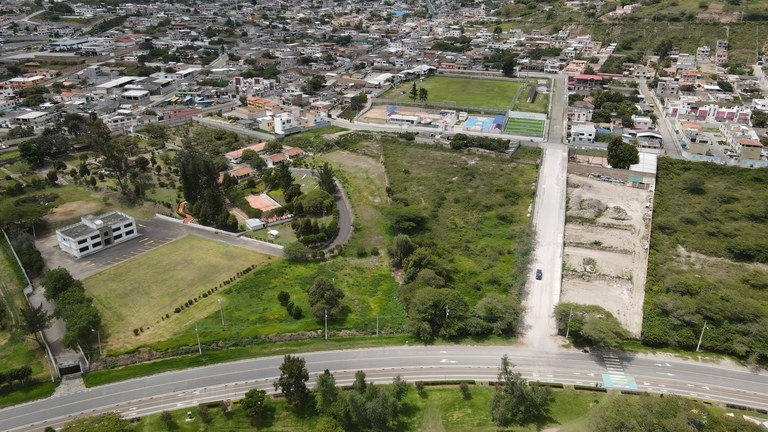
- Land/Lots: I’ve seen residential lots from about $41k for ~540 m². Rural parcels with views or proximity to Yahuarcocha trend higher; countryside homes/lodges often show $85k–$179k depending on size, access, and utilities.
- Income/Commercial: Small apartment buildings or central commercial units are rarer and can spike past $500k if location and cash flow justify it.
Best Areas to Buy in Ibarra (City Center, La Esperanza, San Antonio & More)
Centro / San Miguel de Ibarra
If you want colonial character and convenience, the center is a strong candidate. You’ll be near plazas, cafés, and services. Expect mixed stock: renovated townhouses, apartments over commercial spaces, and newer infill. Parking can be tight; evaluate noise and weekend traffic near plazas.
La Esperanza
A popular pick for rural-residential buyers. Think larger lots, garden potential, and crisper views toward Imbabura. Roads vary; check access and utilities (water pressure, fiber availability) on a per-street basis. When I toured homes here, I consistently found better land-to-price ratios than in town.
San Antonio
Known for artisans and woodwork, this area straddles suburban-rural vibes. It’s a solid play for land or a new-build if you want space without being far from Ibarra’s services. I like that you can dip into cultural workshops on weekends.
Chorlaví & North/South Sectors
Chorlaví (north) shows up on listing portals with suburban tracts and occasional gated options. Southern sectors can be more budget-friendly; as always, walk the block at different hours. If you’re eyeing Yahuarcocha, explore streets that thread toward the lake for recreation access (cycling, kayaking).
Countryside Parishes (Angochagua, Ambuquí, etc.)
For semi-rural living or boutique eco-projects, these parishes are compelling. You’ll trade walkability for land, views, and quiet. Verify water rights, access roads, and soil stability (especially on steeper sites).
My rule of thumb: do three neighborhood walk-throughs—morning, afternoon, and weekend night. You learn about bus routes, dogs, music levels, and the real “feel” you won’t see in photos.
Renting vs Buying in Ibarra: What I Learned on the Ground
Renting is attractive if you’re new to town. I’ve repeatedly seen $300–$600/month for comfortable 2–3-bedroom houses or apartments in decent locations. That budget typically covers a yard or balcony, basic appliances, and parking in many cases. Internet, utilities, and transport are inexpensive, which stretches a modest monthly budget surprisingly far.
Buying suits planners who are ready to commit to a specific neighborhood—and who want to lock in today’s prices. Ibarra isn’t a speculative boomtown; appreciation is stable and slow-burn. For many, the play is quality of life + long-term value, not flipping. If you’re considering rentals, you’ll find demand from local families and students; focus near universities, employment corridors, or the center.
My favorite strategy is a “rent-to-know, buy-to-grow” sequence: rent for 3–6 months in the area you think you want, test commute routes and service coverage (healthcare, fiber, mercados), then shortlist properties. That’s how I realized I preferred a slightly quieter, view-forward area while staying under a mid-six-figure total budget.
Step-by-Step: How to Buy Property in Ibarra as a Foreigner
The process is foreigner-friendly, but due diligence is non-negotiable.
- Define your brief: budget band, property type (house/condo/land), must-have services (fiber, parking), commute to center or Yahuarcocha.
- Scout & shortlist: view a mix of Centro and rural-adjacent options to understand trade-offs.
- Assemble your team: a reputable agent, real-estate attorney, and notary. Ask for recent client references in Ibarra/Imbabura.
- Due diligence: title check (escritura), seller ID, municipal cadastre verification, liens/encumbrances, boundaries/surveys; on land, confirm water/electric, road access, and zoning.
- Offer & promesa: negotiate price and contingencies (clear title, inspections) and sign a promesa de compraventa (purchase promise) if customary.
- Closing at the notary: signatures, payment, and transfer; your attorney ensures the registry is updated correctly.
- Post-closing setup: utilities, HOA (if any), minor renovations, and local service accounts.
Tip from experience: bring a Spanish-speaking ally (or hire a translator) for visits and paperwork—you’ll move faster and avoid small but costly misunderstandings.
Daily Life: Safety, Spanish, and Community (From My Notes)
- Safety: I found Ibarra welcoming and manageable; standard urban awareness applies.
- Spanish matters: English is not widely spoken; your Spanish improves quickly because daily chores push you to use it.
- Community: the expat circle is small and close-knit; most socializing happens with locals, community clubs, and outdoor activities.
- Culture & nature: from helado de paila and artisan workshops to hiking and kayaking, your calendar fills up without pricey outings.
I integrated faster here than in bigger hubs—joining local events and volunteering made all the difference in week one.
Ibarra vs Cotacachi vs Otavalo: Which Fits Your Plan?
Expat density: Ibarra small, Cotacachi medium, Cuenca large (if you extend the comparison).
Costs: Ibarra stays low for both rent ($300–$600) and purchase prices; Cotacachi and Otavalo see overlaps, but Ibarra often stretches your budget further.
Lifestyle: Ibarra blends outdoor + cultural access with a university-city feel; Cotacachi leans artisan/outdoors, Otavalo is famed for markets and Indigenous culture.
Language: English is rarer in Ibarra—great for immersion, steeper early curve.