Otavalo Ecuador Real Estate: The Complete Buyer’s Guide (2025)
Why Otavalo? Culture, Nature & Everyday Life
Otavalo sits in Ecuador’s Northern Andes, a little over an hour north of Quito, surrounded by lakes and volcano views that look like desktop wallpapers come to life. It’s famous for the Plaza de Ponchos (one of South America’s most iconic indigenous craft markets), textiles, music, and a steady rhythm of Andean festivals. That cultural heartbeat isn’t a backdrop, it’s daily life.
Latest Properties For Sale in Otavalo
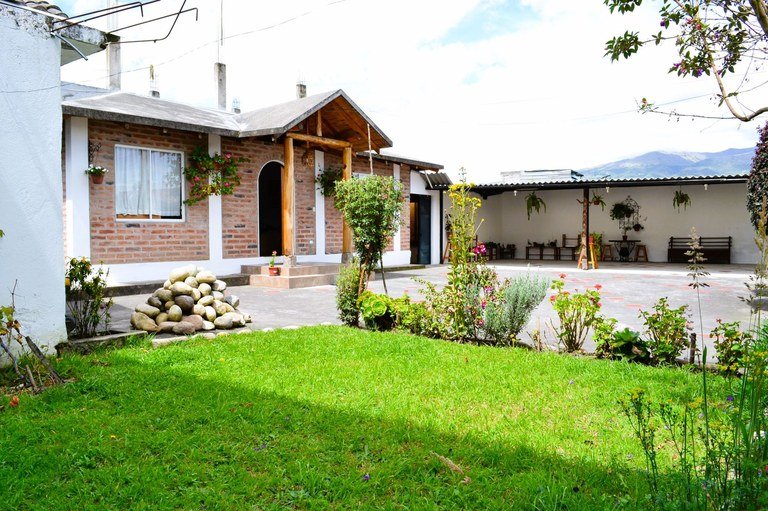
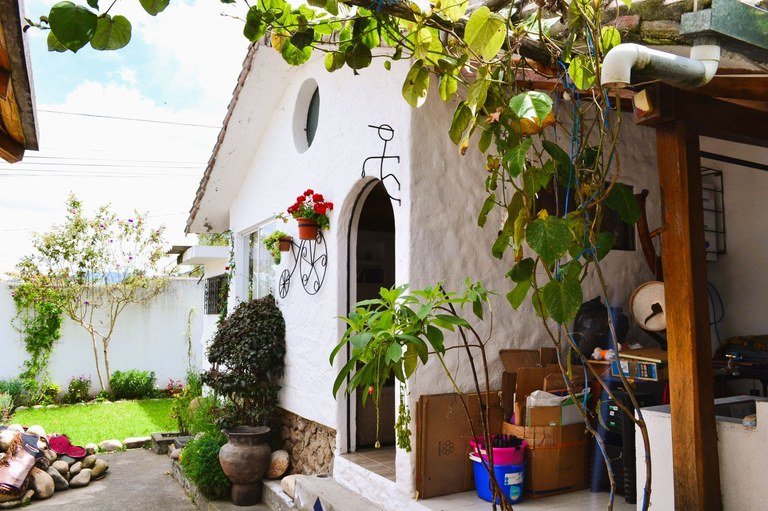
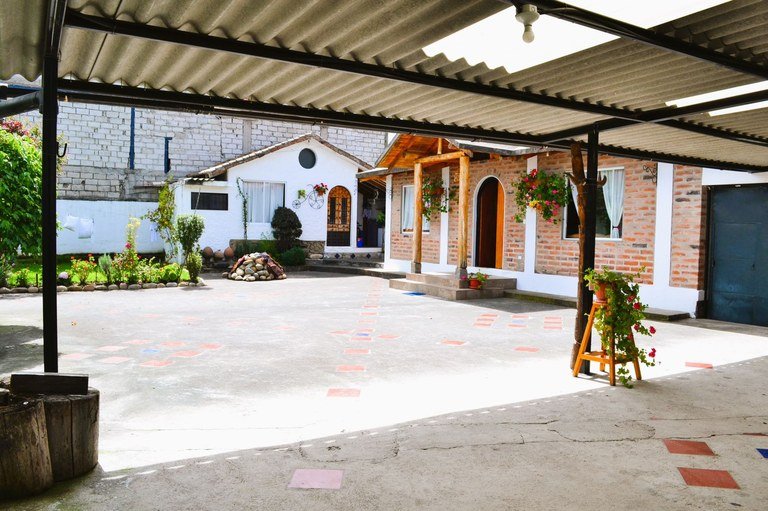
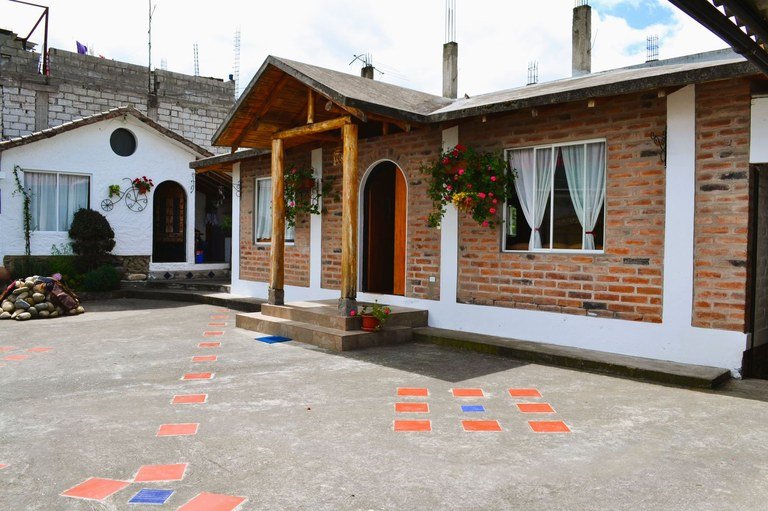
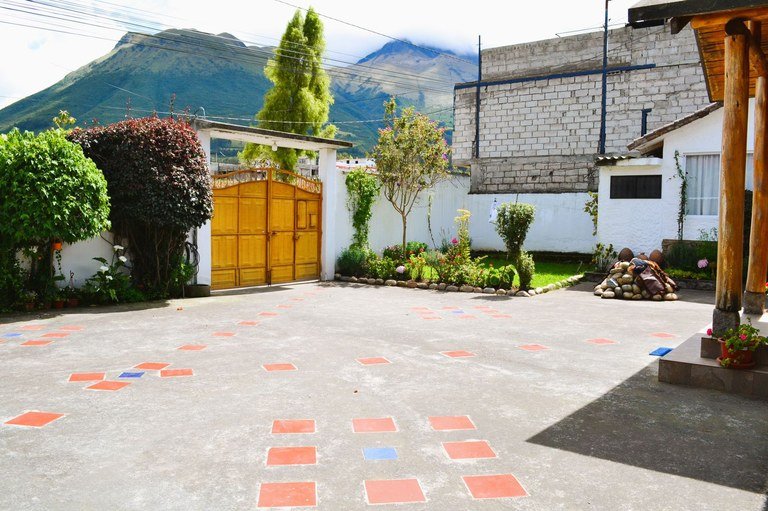
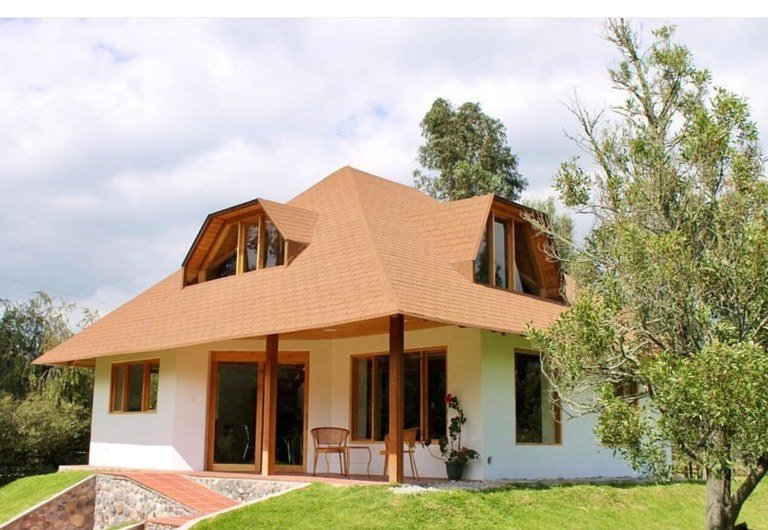
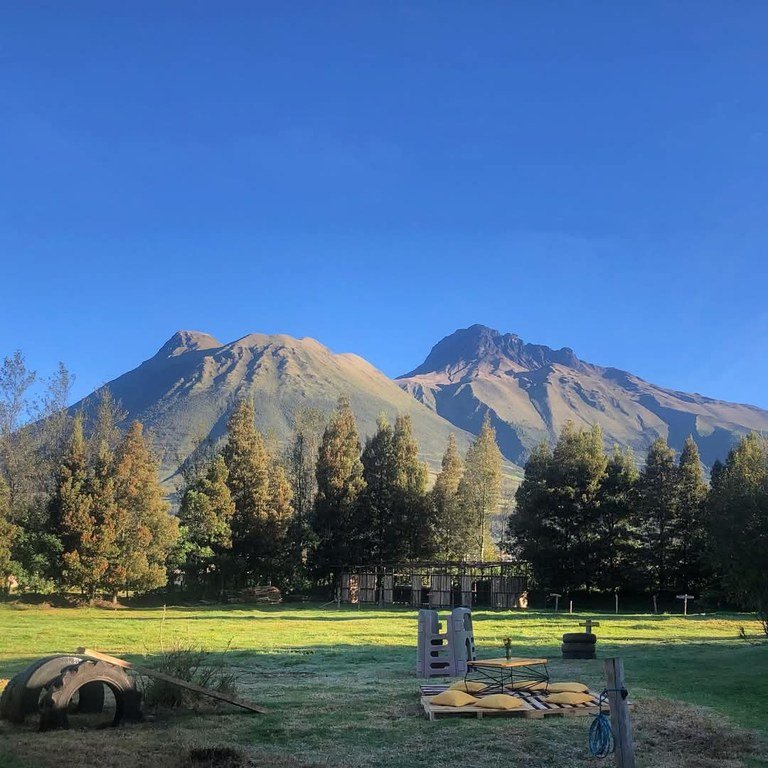
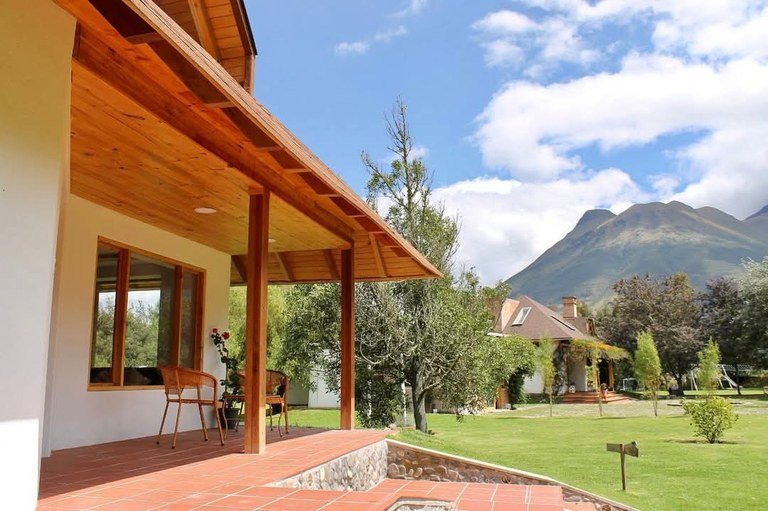
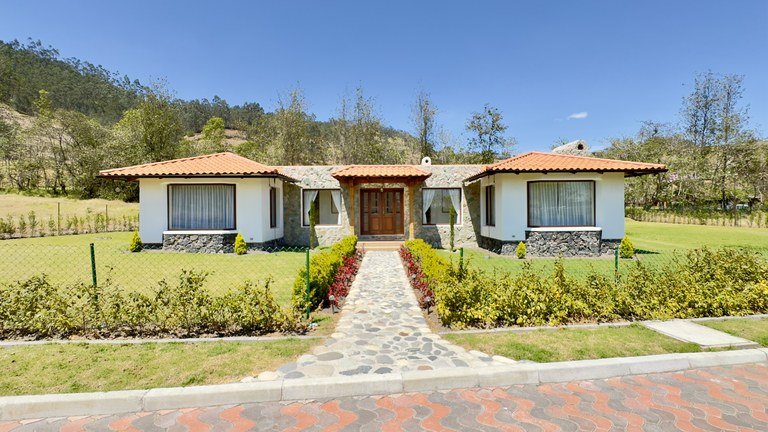
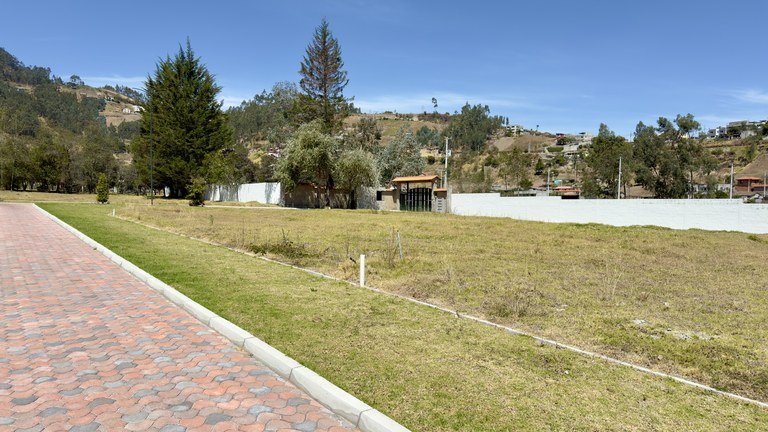
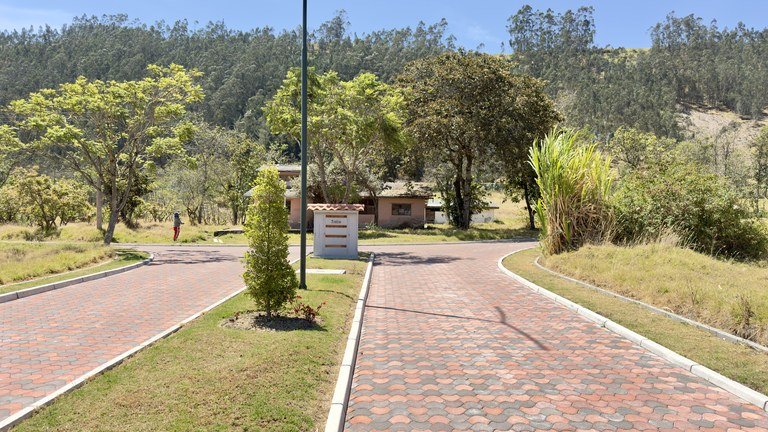
From a lifestyle standpoint, the town delivers a comfortable sweet spot: walkable streets, reliable buses and taxis, modern supermarkets alongside open-air markets, and enough cafés to make errands pleasant. I’ve found that not owning a car isn’t a problem, Otavalo is walkable and buses are cheap. When you do need something specialized—think niche medical care or international products—I plan a quick hop to Ibarra or Quito. For anything complex medically, I plan on Ibarra or Quito and it’s been perfectly manageable.
Socially, Otavalo’s expat crowd is smaller than in Cuenca or Quito, but growing. That’s a plus if you value a grounded sense of place. Integration comes from showing up—market days, music, local fiestas—and a willingness to navigate Spanish (and a few words of Kichwa). Market days aren’t just shopping; they’re the town’s heartbeat. If you’re the kind of buyer who wants authentic Andean life with easy access to big-city resources, this mix is hard to beat.
Who thrives here? Buyers who appreciate culture, walkability, weekends outdoors around lakes and waterfalls, and a calmer pace. Digital workers who need solid home internet do fine; retirees like the slower cadence; investors see potential in short-term rentals tied to tourism.
Neighborhoods & Surroundings: Downtown, San Pablo Lake, Quichinche, Mojanda & Ilumán
Downtown (Centro). The obvious draw is walkability—plazas, markets, cafés, banks, and services at your doorstep. Expect traditional houses, modest townhomes, and apartments. If your plan is to live without a car, or operate a pied-à-terre you can occasionally rent out on market weekends, this is prime. Noise and foot traffic spike on Wednesdays and Saturdays (market days), which can be a pro for rentals and a con if you crave quiet.
San Pablo Lake. Move a few minutes out and you’ll find yourself circling a mirror-calm lake with postcard views of Imbabura Volcano. This is the “view lifestyle”: lakefront and lake-adjacent homes, small farms, and modern builds. If you want space for a garden or a studio, or you dream of sunrise coffee over glassy water, this zone hits. You’ll trade some walkability for scenery, but you’re still within easy reach of town.
Quichinche & Ilumán. These artisan corridors roll between rural and semi-rural—think small workshops, family plots, and pockets of new construction. You’ll see traditional homes, fixer-uppers with potential, and parcels where you can build. If you want a little land without losing access to Otavalo’s services, start your search here.
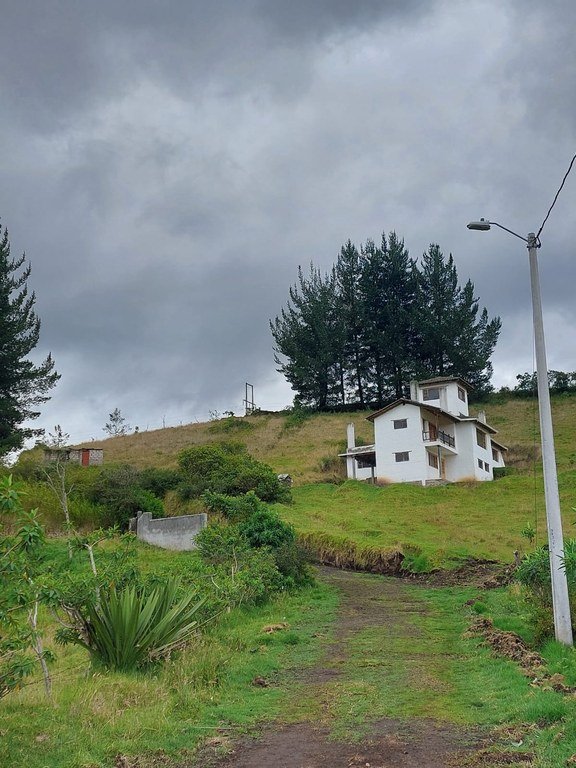
Mojanda. Up the hill, Mojanda pulls in the mountain-home crowd: cooler air, open views, and hiking. Road quality and access vary by pocket, so do a dry-season and rainy-season drive test before you buy. For a rental play, it’s more of a “getaway” vibe than walk-to-market convenience.
Peguche. Known for its waterfall and weaving tradition, Peguche blends culture and nature. Properties near the falls can have strong appeal for guests; verify utilities and road access carefully.
How I choose: I sketch a triangle of priorities—walkability, views/land, and rental potential—and decide which two I’m unwilling to compromise. That quickly points me to Centro (walkability + rentals), San Pablo (views + land), or Quichinche/Ilumán (land + reasonable access).
What Homes Cost in Otavalo (Houses, Land, Apartments)
Let’s talk numbers the way buyers actually use them—by ranges and trade-offs.
Starter & Fixer-Friendly (< $100k). If you’re open to a smaller footprint, older finishes, or a project, you can find houses under $100k in and around town. I’ve personally short-listed 4-bedroom options around $85k (~120 m²) with mountain views; the value is real if you’re flexible on finishes and ready to budget for upgrades (kitchen, windows, thermal comfort).
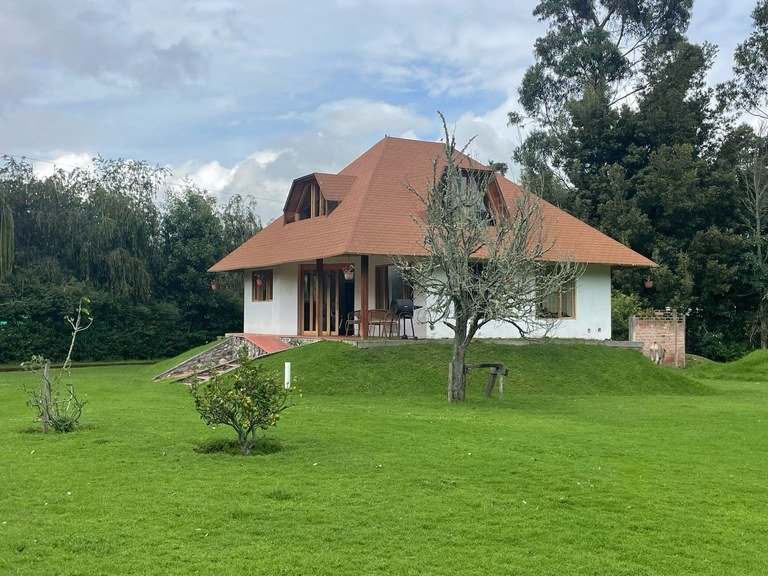
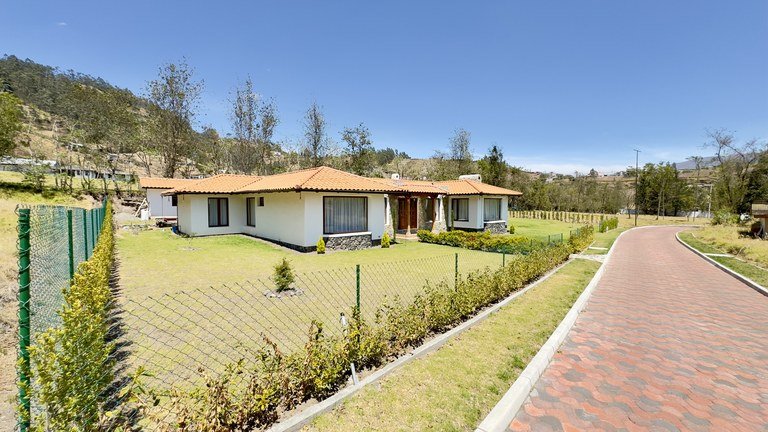
The Sweet Spot ($100k–$200k). Most move-in-ready houses with “North-American-friendly” layouts, patios, and decent views cluster in this band. Expect 2–4 bedrooms, a small yard or terrace, and workable kitchens/baths. In my experience, $150k–$218k is where “modern ranch-style” or newer builds with nicer materials start to appear.
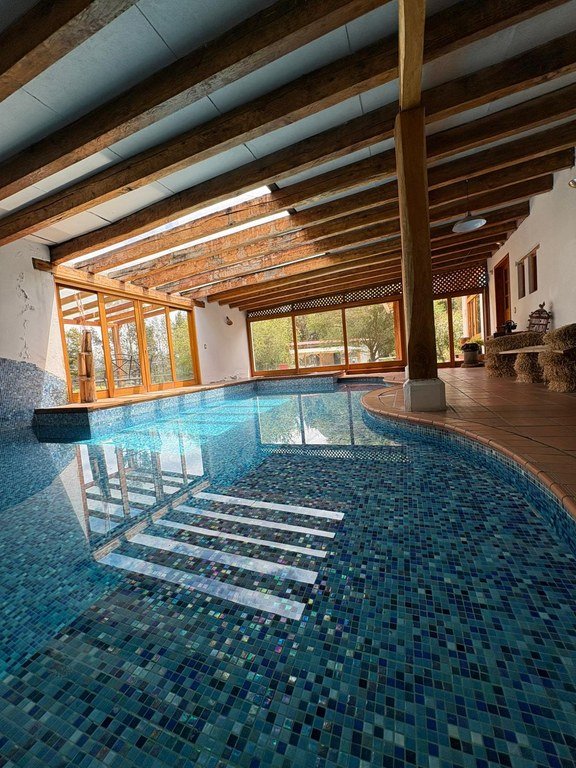
Above $200k. Now you’re paying for standout features—lakefront orientation, larger parcels, privacy, extensive landscaping, or a built-in guest suite you can rent. Custom homes on scenic lots and turnkey boutique properties live here.
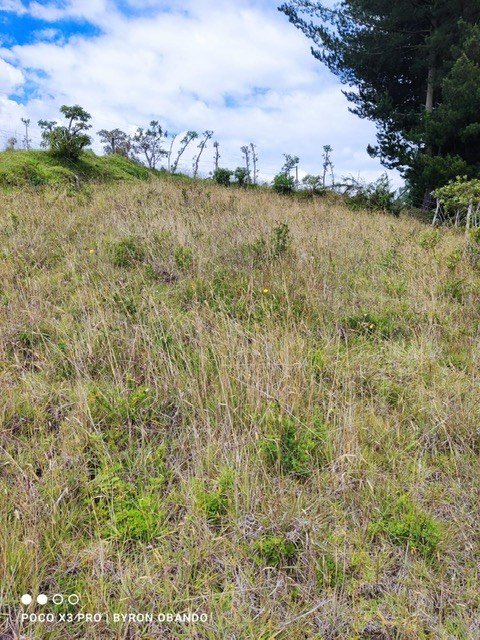
Land. For a build, parcels can start around ~$40k, climbing to $90k+ for larger or well-oriented lots near lakes or with commanding views. Before falling in love, verify access roads, utilities (water, power, fiber), and the true buildable area (slopes can be deceiving).
Apartments/Condos. Less common than houses, but you’ll see in-town flats that suit lock-and-leave lifestyles. Pricing tends to track condition and proximity to plazas.
Bottom line: Budget by goal—urban convenience under $150k, view homes and modern builds in the $150k–$220k lane, and premium settings beyond that. Always hold a reserve (5–15%) for upgrades, furniture, and contingency.
How to Buy Property in Otavalo as a Foreigner (Step-by-Step)
The framework is straightforward; the discipline is in due diligence.
- Define your brief. Location triangle (walkability, views/land, rentals), target budget band, must-haves (sun aspect, workspace, garden, guest room).
- Assemble your team. A reputable local attorney is non-negotiable. Title checks with a local attorney saved me headaches. Add a notary, surveyor if land lines are fuzzy, and a contractor to scope fixer costs.
- Shortlist & inspect. Visit at different times (market day vs. quiet morning). Test water pressure, internet speed, and cell signal. Drive the access road after rain.
- Document deep-dive. Verify escrituras (title), liens, boundaries, HOA (if any), municipal taxes, permits, and utility connections.
- Offer & negotiation. Cultural etiquette matters—clear, respectful offers travel farther. I’ve had good outcomes tying offers to objective items (survey confirmation, utility verification) rather than haggling for haggling’s sake.
- Closing. Your attorney coordinates with the notary; you’ll pay transfer taxes/fees and register the deed. Timeframes vary by case; build in buffer for paperwork.
- After closing. Change utility accounts, record your deed, and set up internet. I like to schedule a post-move “systems day” to test water, power, gas, and drainage end-to-end.
Living Here: Cost of Living, Services, Internet & Healthcare Access
Day-to-day costs are modest: produce from the market, local transport, and utilities won’t kneecap your budget. Walkability minimizes the need for a car; utilities, fresh food, and local transportation are modest, and that savings compounds month after month. Home internet is widely available in-town; if you’re considering rural edges, verify fiber or at least solid wireless options before you sign.
Healthcare is practical: local clinics for routine needs, with Ibarra or Quito for specialists. Pharmacies are abundant; I keep a short list of doctors in Ibarra for anything more technical. Schools, hardware stores, and household essentials are all within easy reach.
Culturally, lean in. Learn basic Spanish; a few Kichwa phrases go a long way. Join neighbors for festival days (Inti Raymi, Yamor), respect early-morning schedules, and get comfortable with a slightly slower bureaucratic cadence. The payoff is belonging. Relationships are warm but built over time; say hello to shopkeepers, buy from local artisans, and you’ll feel the town open up.
Investment Angles: Rentals, Rural Estates & Resale Potential
Short-term rentals. Tourism tied to the market, lakes, and nearby waterfalls supports weekend and holiday demand. Units near the historic center or Plaza de Ponchos can perform well if you deliver quiet bedrooms, good Wi-Fi, and self-check-in. Market days aren’t just shopping; they’re the town’s heartbeat—and they drive bookings.
Mid-term stays. Remote workers and craft students (weaving, music, Spanish) create mid-term demand. A comfortable workspace and reliable internet matter as much as view and décor.
Rural estates. Small fincas with garden or small-scale agriculture can diversify income (farm-to-table, retreats, workshops). Factor in road maintenance, water rights, and fencing.
Resale. Focus on fundamentals buyers consistently want: sun orientation, access, utilities, noise control, and a flexible floor plan. Improvements with the best ROI here tend to be kitchens/baths, insulation/comfort, and outdoor living (covered patio, fire pit, garden lighting).
My rule of thumb: Buy what you’d happily keep long-term. If rental yields dip or timelines stretch, your Plan B is still a home you love.
What to Watch Out For: Titles, Utilities, Road Access & Local Norms
- Title clarity. Rural parcels sometimes carry legacy boundary quirks. Get a current survey if there’s any doubt.
- Utilities. Confirm water rights, pressure, and electricity capacity (especially for new builds). Check internet availability by provider and speed test in person.
- Access roads. Drive them after rain; look for erosion, steep entries, or pinch points that complicate deliveries.
- Noise mapping. Market days, festival routes, and dogs: visit at different hours.
- Cultural etiquette. Negotiation is smoother when respectful and specific. I avoid blanket lowballs and tie requests to inspections or documented needs.
- Bureaucracy buffer. Paperwork takes the time it takes; build in calendar padding and plan around key festivals and holidays.
Otavalo vs. Cotacachi: Which One Fits You?
Think of them as siblings with different personalities. Otavalo is a touch more urban and lively—markets, music, and movement—while Cotacachi is known for a quieter pace and leather-craft charm. If you want maximum walkability, frequent cultural events, and weekly rental spikes tied to market traffic, Otavalo edges ahead. If you crave very tranquil streets and a sleepier center, Cotacachi can be perfect. Many buyers tour both in the same trip; the right answer often clicks within an afternoon.