Northern Andes · Ecuador

Could Cotacachi fit your real life?

An honest guide to living, visiting, and buying here—built around ordinary life, not a promise of paradise.

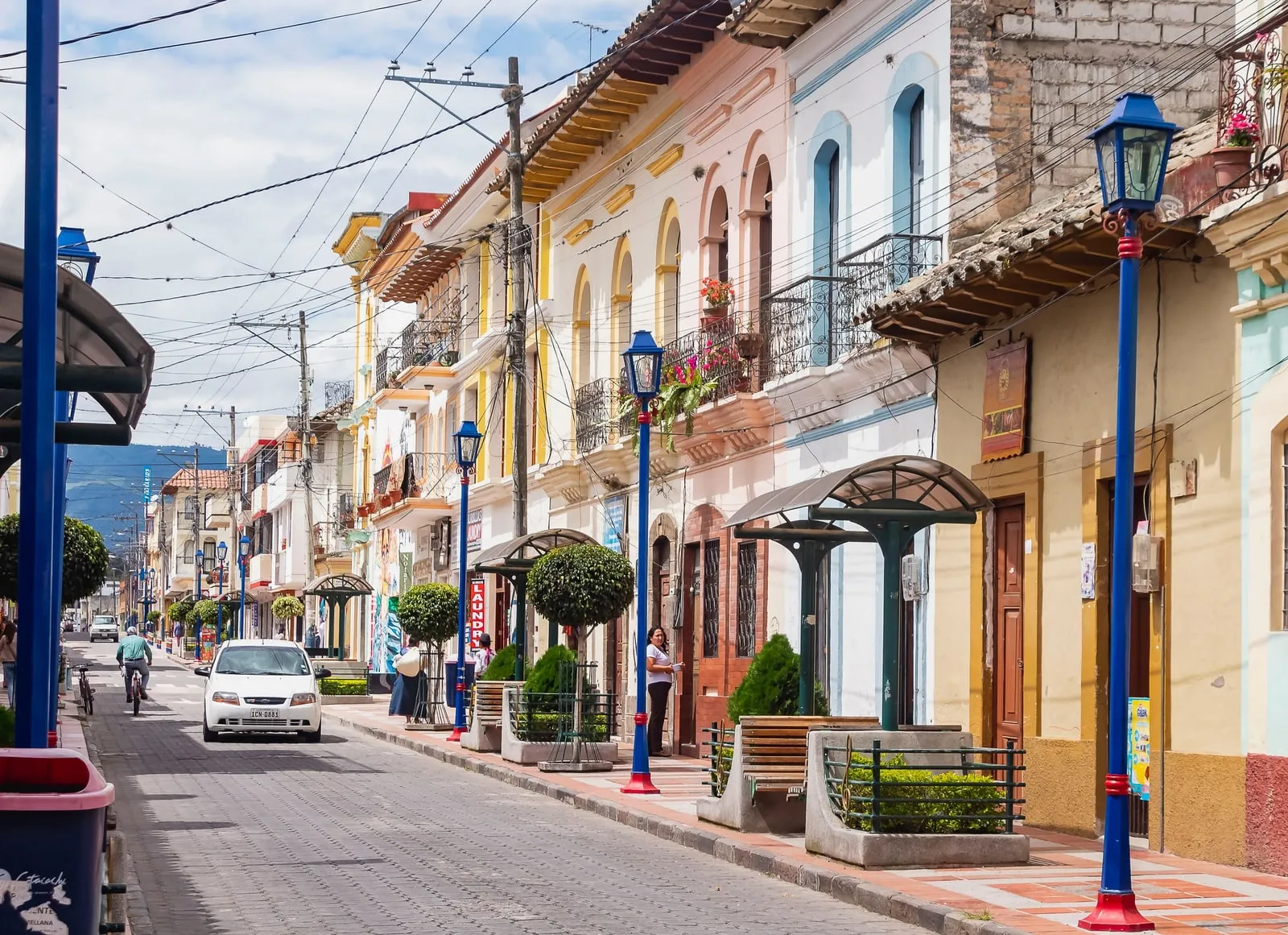
Colorful façades and everyday street life along Calle Bolívar in central Cotacachi
Calle Bolívar, Cotacachi · Jorge Flores Macias / Wikimedia Commons · CC BY-SA 4.0
Elevation2,418 mAbout 7,933 ft
Daily rhythmCompact centerWalkability varies by address
HealthcareRegional networkBroader services in Ibarra
CurrencyU.S. dollarUsed throughout Ecuador

The honest fit check

Beautiful is easy. Livable is personal.

Cotacachi rewards people who value a smaller scale and can work with the limits that come with it.

Cotacachi may fit you if…

  • You prefer a slower daily rhythm to a long list of urban conveniences.
  • You are willing to use Spanish and build relationships beyond an expat circle.
  • You like the idea of walking for routine errands and traveling regionally for specialized needs.

Test it carefully if…

  • Altitude, mobility, or ongoing healthcare needs shape your routine.
  • You need unusually reliable utilities, high-speed internet, or frequent flights.
  • You are drawn to a rural view but still expect town-level access.

You may prefer elsewhere if…

  • You want extensive nightlife, international shopping, or big-city anonymity.
  • You need specialist care close at hand or expect services primarily in English.
  • You are choosing from photos and price alone, without time to rent and observe.

Everyday Cotacachi

Measure the town in routines, not attractions.

The useful question is not whether you enjoy a weekend here. It is whether Cotacachi supports your ordinary Tuesday.

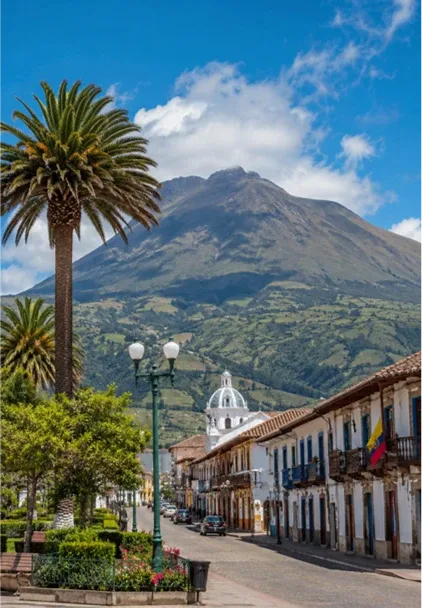
A quiet Cotacachi street with the volcano rising behind the town
Cotacachi town center with the volcano beyond

Markets, cafés, banks, pharmacies, and leather shops may be walkable from the center. But “ten minutes from town” can still mean a steep road, poor lighting, fast traffic, or a taxi whenever it rains. Test the exact route at the hours you would use it.

For larger supermarkets, broader medical services, and some administrative tasks, residents commonly look to Otavalo or Ibarra. That regional pattern can feel easy—or exhausting—depending on your health and transportation.

Choose Cotacachi for the life you can participate in—not only for the view you can purchase.

One ordinary-day test

  • Buy groceries
  • Visit a pharmacy
  • Withdraw cash
  • Walk home near dusk
  • Make a video call
  • Plan a trip to Ibarra
Open the complete scouting checklist →

Cost of living

Use real prices—not somebody else’s monthly total.

No reliable source supports one universal “cost of living in Cotacachi” number. Start with traceable line items and build your own budget.

National basket$825.17

Monthly reference for a four-person Ecuadorian household—not a retired couple.

Cotacachi → Ibarra$0.79

Authorised regular intercity bus fare as of August 2026.

IESS voluntary health17.60%

Of your declared contribution base. Eligibility and current amounts must be confirmed.

CNT fibre~$26

Regular price for the cited plan; the lower $14.61 rate is promotional.

See all 11 verified cost anchorsSources, dates, and important cautions
Costs traceable to an official or primary source. Collected 31 August 2026. All figures in U.S. dollars.
ItemFigureBasis and caution
National household basket$825.17 / monthINEC’s July 2026 basket for a four-person Ecuadorian household, not a retired couple.
Minimum wage (SBU)$482 / monthThe 2026 wage floor; it anchors household help, IESS contributions, and service prices.
Cooking gas, 15 kg$1.65 / cylinderPrice at an authorised depot. The roughly $12.57 unsubsidised cost makes this figure politically fragile.
Bus, Ibarra ↔ Cotacachi$0.79Authorised from 1 August 2026. The increase was locally contested at the time of review.
Bus, Quito ↔ Ibarra$4.31Same resolution; cooperative-level rounding may change the amount by a few cents.
IESS voluntary health17.60% of your baseAt the minimum base, our arithmetic is about $84.83/month plus roughly $16.44 for a spouse. Confirm in person.
Electricity$0.1061 / kWh reference2026 schedule under ARCONEL Resolution 029/2025; treat it as a reference rather than your billed rate.
Low-consumption electricity$0.04 / kWhTarifa Dignidad applies to qualifying Sierra households at 110 kWh/month or less.
Fibre internet (CNT)$14.61 promo / ~$26 regular600 Mbps; the promo covers 8 bills in a 36-month contract. Verify service at the exact address.
Full-time household help$482 / month minimumEmployer obligations also include the IESS employer share and statutory additional payments.
Municipal property tax0.25‰ – 5‰The statutory band is too broad for budgeting. Query a specific cadastral number.

Public transport is half price. Ecuador grants a statutory 50% preferential fare to seniors, students, and people with disabilities.

What we could not verify—and will not inventSeven gaps to check for your own address and circumstances
  • Water and sewerage. The latest tariff ordinance we found dates from 2014, so we publish no current figure.
  • Cotacachi’s property tax rate. Only the statutory band is public. Query cotacachienlinea.gob.ec with a cadastral number.
  • Taxi fares. No published municipal or national tariff.
  • Rent. Observed asking prices are too thin and foreigner-oriented to call market data.
  • Community fees. One listing is not a meaningful range.
  • Private insurance above age 70. The published table we found stops at 65.
  • Groceries. No dated Cotacachi-specific basket is available.
01

The measure changed

INEC replaced its household basket in July 2026, so older trend lines are not directly comparable.

02

The sample is thin

The most-cited crowd-sourced page relies on very few contributors and includes estimates.

03

Fares were disputed

The authorised August 2026 increase was publicly contested, so the charged fare may vary.

Before relying on these figures: check property tax against a cadastral number, confirm your IESS contribution in person, and verify the current bus fare.

Body & climate

The altitude deserves a real trial

At roughly 2,418 meters, Cotacachi sits near the elevation where some unacclimatized visitors notice symptoms.

One person may feel little beyond a dry throat and faster breathing on hills. Another may sleep poorly, develop a headache, or find exercise noticeably harder. A few pleasant hours in town cannot tell you how you will feel after several nights. Give the first days a lighter schedule, hydrate, limit alcohol, and seek medical advice if symptoms are concerning—especially if you have relevant heart or lung conditions.

The municipality characterizes the urban valley as temperate and semi-dry, with a broad 14–19°C range. Treat that as orientation, not a thermostat. Strong highland sun, cool interiors, afternoon cloud, rain variation, and evening temperature matter more than an “eternal spring” slogan. Evaluate the actual home: its solar orientation, ventilation, dampness, roof, and indoor comfort.

During your stay, notice

  • Sleep quality and morning energy
  • Breathlessness on your normal walking route
  • Sun exposure and cool evening comfort
  • How the home feels after rain
  • Whether you still feel well after five to seven days

General information only. Individual altitude response varies; consult a qualified clinician about personal risk.
Healthcare planning

Think in layers, not labels

“Good healthcare” is too vague to guide a relocation. Map your actual needs to the facilities and travel involved.

Layer 01

Cotacachi

Routine and primary-care needs may begin locally. Confirm the specific provider, hours, language, payment, and services you would use.

Layer 02

Otavalo or Ibarra

Broader public and private options are available regionally. Ibarra is the provincial service center; transport and appointment logistics matter.

Layer 03

Further referral

Complex specialty care may require a larger center. Before moving, understand insurance, medications, emergency transport, and your preferred hospital route.

Verify for yourself: facility level does not guarantee a particular specialist, appointment, English-speaking staff, or eligibility. Recheck current services before relying on them. If you are over 70, confirm in writing that an insurer will accept you before you commit to a move—we could not find published pricing or maximum entry ages for that group.
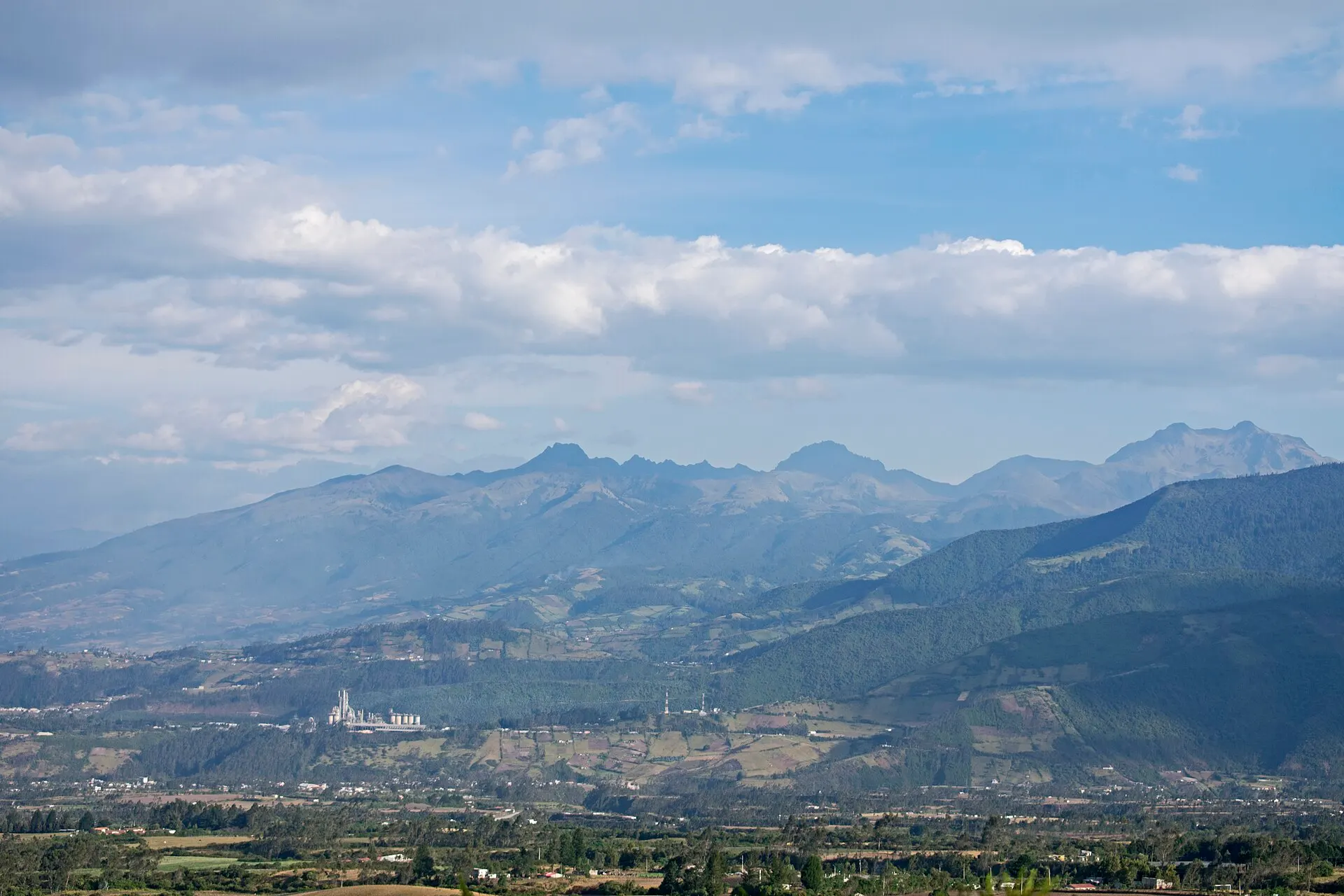
Andean ridgeline and cultivated valley in Imbabura seen from the Cuicocha park entrance

Look past the postcard

A useful visit includes traffic, errands, weather, and waiting.

That is where a relocation decision becomes more than a vacation impression.

Imbabura landscape from Cuicocha park entrance · Ymblanter / Wikimedia Commons · CC BY-SA 4.0

Community, language & integration

You are moving into someone else’s town

The foreign-resident community can make a first month easier. It should not become the border of your life here.

Cotacachi has organised Kichwa communities, long-standing civic institutions, and its own politics and calendars. They existed before you arrived and are not cultural amenities for newcomers.

Practical integration is simple, slow work: greet people, learn names, use Spanish before it feels comfortable, hire locally, pay properly, and listen longer than you advise.

Internet & getting around

Two things that decide more moves than the view

Connectivity and transport are address-level questions. A provider map and a city name tell you almost nothing.

Fibre, on paper

CNT advertises fibre from about $14.61 for 600 Mbps. That is promotional pricing for eight bills on a 36-month contract, with roughly $200 recoverable on early exit. The ongoing price is nearer $26.

Fibre, at your door

National pricing says nothing about whether the line reaches a specific house. Ask the current occupant what they actually have, then run a speed test yourself at the hours you would work.

Mobile as backup

A postpaid plan with a meaningful data allowance runs around $35 with a major carrier. If your work or health depends on connectivity, treat mobile as the backup you test, not the one you assume.

Intercity buses

Cotacachi to Ibarra is $0.79 under the fares authorised in August 2026; Quito to Ibarra is $4.31. Time the complete door-to-door journey, including the walk at each end, not the road segment.

The senior fare

Seniors, students and people with disabilities are entitled to 50% of the regular fare by law. Over a year of regional appointments, this is not a rounding error.

Taxis and the last mile

No published tariff exists; fares are typically negotiated. The question that matters is whether a taxi will come to your address after dark and in the rain. Ask neighbours, not agents.

Location patterns

“Cotacachi” can describe very different lives

Town-center convenience, a gated edge-of-town home, and rural land can share a postal label while offering completely different trade-offs.

Central

Best chance of handling routine errands on foot. Check evening noise, parking, stairs, delivery access, and the condition of older structures.

Town edge

Often a balance of space and access. Walk the real route, ask about taxi availability, and verify water, internet, road lighting, and community fees.

Rural

Land, views, and quiet can come with steeper access, septic systems, water questions, weak mobile signal, and more dependence on a vehicle.

Property conditions are parcel-specific. Verify title, boundaries, access, water, utilities, permits, restrictions, and construction with independent qualified professionals.

Questions readers ask before they visit

How much does it cost to live in Cotacachi?

No official body publishes cost-of-living data for a town of roughly 9,000 people, so we do not publish a single monthly figure. Ecuador’s national anchor is INEC’s Canasta Familiar Básica de Consumo of $825.17 per month for a four-person Ecuadorian household (July 2026 reference, published 17 August 2026). Individual verified costs are more useful: a 15 kg gas cylinder is $1.65 at an authorised depot, the Ibarra–Cotacachi bus fare is $0.79, and voluntary IESS health affiliation is 17.60% of your declared contribution base. Build a budget from those line items rather than importing someone else’s total.

Can foreigners buy property in Cotacachi?

Foreign natural persons are included in Cotacachi’s official transfer and registration procedures. That is not the same as every property being available or unrestricted: Ecuador’s Constitution contains limits related to protected and national-security areas, and Cotacachi canton includes protected territory. Property ownership also does not automatically grant residency. Ask independent Ecuadorian counsel to confirm the specific parcel, ownership structure and intended use.

How high is Cotacachi, and will the altitude affect me?

The municipality sits at about 2,418 metres, roughly 7,933 feet. That is near the elevation where some unacclimatised visitors notice symptoms such as poor sleep, headache, breathlessness on hills or reduced exercise tolerance. Individual response varies widely and cannot be predicted from a short visit, so plan several nights and consult a qualified clinician if you have relevant heart or lung conditions.

Do I need to speak Spanish to live in Cotacachi?

You can complete many transactions without it, but you will be dependent on a small English-speaking circle and on intermediaries. Basic Spanish makes errands easier; more than that changes who you can build a relationship with. Do not assume English-language service in healthcare, municipal offices or with tradespeople.

Is healthcare available in Cotacachi?

Think in layers rather than labels. Routine and primary care may begin locally; broader public and private options are in Otavalo and Ibarra, with Ibarra as the provincial service centre; complex specialty care may require a larger centre. Voluntary IESS affiliation is open to foreigners residing in Ecuador aged 18 and over, and private insurance is available, though we could not verify pricing or maximum entry age for applicants over 70.

Should I rent before buying in Cotacachi?

We recommend it, and not as a delaying tactic. A longer stay tells you which errands become inconvenient, how a building handles weather, and which side of town suits your routine. It also gives you time to assemble independent legal and technical advisers without purchase pressure.

Are there discounts for older residents in Ecuador?

Yes, and one is directly relevant to daily budgeting: Ecuador grants a preferential public transport fare of 50% of the regular price to seniors, students and people with disabilities. Following the August 2026 fare adjustment, that halves an already low intercity bus fare.

Choose your next question

Move from curiosity to evidence.

The next useful step depends on whether you are testing the place, studying the purchase, or comparing the region.

Already ready? View current listings ↗(opens in a new tab)

Live inventory is maintained on our main property portal, Ecuador-Realty.com.

Sources and verification notes
  1. Municipality of Cotacachi — About the canton — location, elevation, climate characterization, and local context
  2. INEC — Canasta Familiar Básica de Consumo — $825.17, July 2026 reference, published 17 August 2026; replaces the basket used since 1982 and is not comparable to earlier figures
  3. Ministry of Labour — Salario Básico Unificado 2026 — Ministerial Accord MDT-2025-195; $482/month effective 1 January 2026
  4. ANT — Imbabura passenger fares from 1 August 2026 — Resolution 020-DIR-2026-ANT; +25%; includes the 50% preferential fare
  5. IESS — voluntary affiliation — 17.60% contribution rate; open to foreigners residing in Ecuador; worked examples on the page use older wage figures
  6. ARCH — domestic gas cylinder pricing — July 2026; $1.65 subsidised, about $12.57 unsubsidised
  7. ARCONEL — 2026 electricity tariff schedule — Resolution ARCONEL-029/2025, published 31 December 2025
  8. CNT — fibre internet plans — national pricing; promotional rates apply to the first 8 bills under a 36-month contract; Cotacachi coverage not verified
  9. COOTAD Article 504 — municipal property tax — statutory band of 0.25‰ to 5‰ of appraised value; each council sets its own rate by ordinance
  10. Cotacachi municipal gazette — the 2026–2027 property valuation ordinance; the millage rate itself is not published online
  11. Ecuador Ministry of Public Health — Imbabura facilities — public health facility levels
  12. CDC Yellow Book — High-altitude travel — individual altitude response and acclimatization guidance
  13. UNESCO — Imbabura Global Geopark — regional geological and cultural context
  14. U.S. State Department — Ecuador travel advisory — current national travel guidance; verify before travel
Back to top